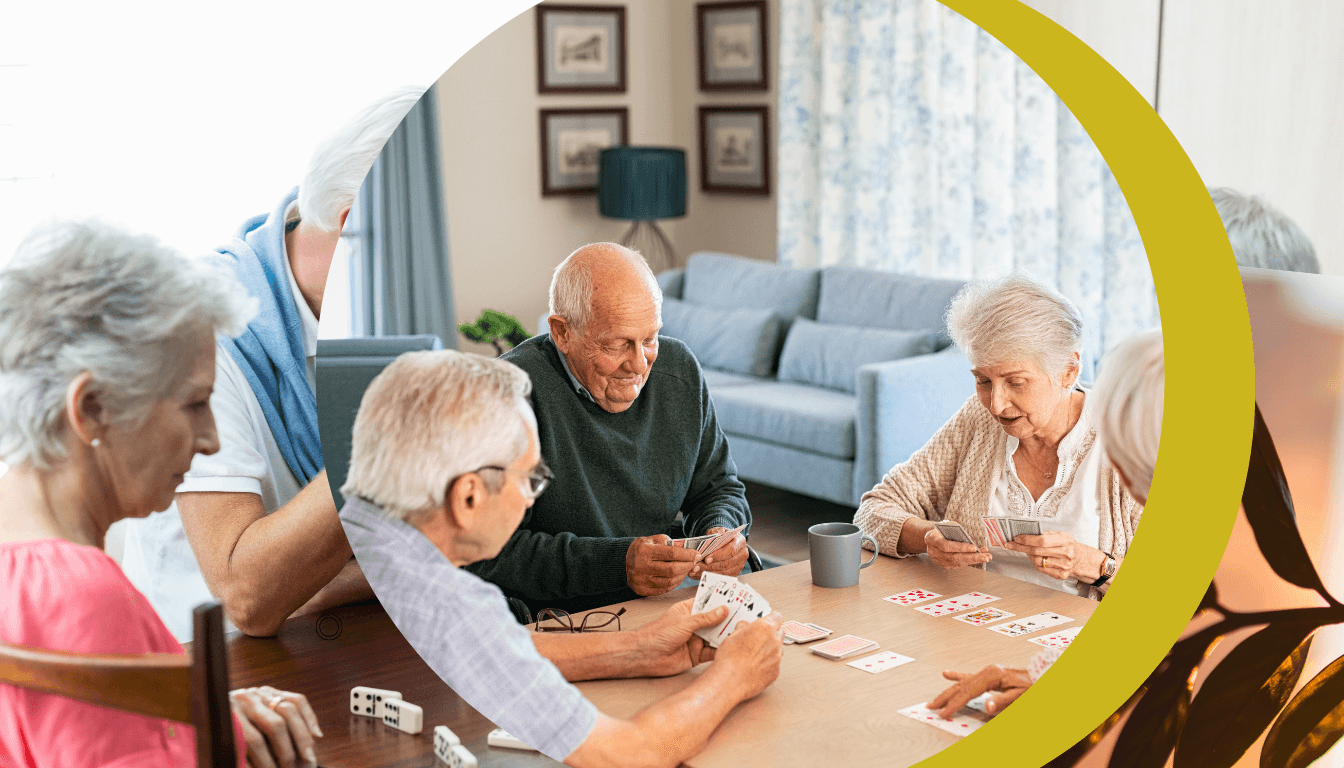
Here’s something that might surprise you. Your brain never stops being able to learn and grow — even in your 60s, 70s, and beyond. Yes, things change as we get older. But the idea that mental decline is inevitable? That’s simply not true. Research is proving it over and over again.
The Elder study looked at over 25 games and activities and found they can genuinely boost memory and mental health. And the ACTIVE trial — one of the largest studies of its kind — showed that a little targeted mental exercise goes a very long way. Let me share what works, and more importantly, how you can start today.
Key Takeaways
- Why keeping your mind active matters — and why retirement can actually be tough on your brain
- The best brain exercises for seniors — from crosswords to chess, what the research actually says
- Surprising benefits you might not expect — including protecting your independence for years longer
- Simple ways to make brain exercise part of your day — just 20 minutes three times a week is enough
- The best brain training apps worth trying — free and paid options that work
- Activities for loved ones living with dementia — gentle options that bring real joy and calm
Why Keeping Your Mind Active Matters More Than You Think
You’ve probably heard the phrase “use it or lose it.” When it comes to your brain, that’s not just a saying — it’s science.
Your brain has an amazing ability called neuroplasticity. In plain English, that means it can form new connections and pathways throughout your entire life. It slows down a bit as we age, but it never stops completely. And here’s the really good news — you can train it to stay stronger for longer.
The Elder study found that creative activities can reduce memory problems by 73%. That’s not a small number. And a 2019 study showed that staying socially connected lowers your risk of dementia by 40%. Just being around other people and having good conversations is literally protecting your brain.
There’s another fascinating finding worth mentioning. People who speak more than one language tend to develop Alzheimer’s symptoms 4 to 5 years later than those who speak only one. That’s because switching between languages constantly exercises the brain in ways that build real resilience.
Retirement, as wonderful as it is, can actually be tough on the brain. When you leave a demanding job, some of those mental pathways that were getting a workout every day go quiet. The solution is simple — keep stimulating them with activities you enjoy.
The Best Brain Exercises for Seniors — And Why They Work
You don’t need expensive equipment or a fancy gym membership to keep your mind sharp. Some of the most effective exercises cost nothing at all.
Take Sudoku, for example. Those number puzzles you see in the back of magazines are genuinely good for your brain. They sharpen logical thinking and pattern recognition, and you can find free printable versions online if you prefer paper to a screen.
Chess is another one that delivers real results. A case study from the Elder trial found that people who played chess regularly for just three months showed a 10% improvement in problem-solving skills. If you haven’t played in years, don’t worry — it’s easy to find beginners’ guides online and many community centers have chess clubs.
Here’s something interesting about crossword puzzles. A 2022 study in the Journal of the American Medical Association found that crosswords actually outperform digital brain games for people with mild memory concerns. They improve recall by around 30% and — let’s be honest — they’re just plain fun.
Jigsaw puzzles might seem like a simple pastime but don’t underestimate them. Research shows they reduce anxiety and can actually lower blood pressure during the puzzle-solving session. And they improve your spatial reasoning too. Not bad for something you can do quietly at the kitchen table.
Word searches are wonderfully flexible. You can find them with themes that matter to you — family names, travel destinations, your favourite foods. That personal connection makes them even more engaging and effective for memory.
The Surprising Benefits You Might Not Expect
The mental benefits of these activities are obvious. But there are some other advantages that might genuinely surprise you.
The ACTIVE trial followed participants for 10 years — a full decade — and found that 60% of those who did regular brain training avoided any decline in their ability to handle daily tasks. Think about what that means. Getting dressed, managing your medications, handling your finances, driving — staying mentally active helps protect your independence for years longer.
Group activities like bingo do something special too. They reduce loneliness and have been shown to lower depression rates by 22%. When you’re laughing and chatting with others over a game, you’re doing more than having fun. You’re protecting your emotional health.
Physical activities like tai chi and dancing are particularly powerful because they combine body and mind. A 2022 review found that regular dancing improves overall brain function by 15%. Your feet and your brain are working together, and both benefit.
For those concerned about dementia — either for yourself or a loved one — cognitive stimulation therapy games have been shown to slow progression by 30%. That’s genuinely meaningful, and it’s worth knowing about.
Simple Ways to Make Brain Exercise Part of Your Day
You don’t need to carve out a huge block of time. Small consistent efforts add up to big results.
The Elder study recommends just 20 minutes of brain training three times a week. That’s less than an hour spread across seven days. You could do a crossword puzzle with your morning coffee. A quick round of Sudoku after lunch. A word search before bed. It’s that simple.
If you enjoy technology, apps like Duolingo and Lumosity make it easy and fun. Duolingo keeps you motivated with daily streaks — miss a day and you lose your streak, which turns out to be surprisingly powerful motivation. Lumosity tracks your progress so you can actually see yourself improving over time.
Group classes like SilverSneakers combine physical movement with mental stimulation and social connection all in one session. If there’s one in your area, it’s worth trying.
Caregivers, here’s a quick tip for you. The “serving tray game” is wonderfully effective for short-term memory. Put five everyday objects on a tray, let your loved one study them for a minute, then cover the tray and ask them to name what they saw. Simple, quick, and genuinely helpful.
One more practical idea — leave puzzles or word games somewhere you’ll see them. On the coffee table. On the kitchen counter. Visual reminders make it much more likely you’ll actually pick them up throughout the day.
The Best Brain Training Apps Worth Trying
Technology has genuinely opened up some great options for keeping mentally active. Here are a few worth knowing about.
Lumosity has over 60 games specifically targeting attention and mental flexibility. It’s FDA-registered for cognitive assessment, which means it meets a real quality standard. Elevate focuses on math and language skills with exercises that get harder as you improve — over 30 million people use it and it holds a 4.8 star rating on the App Store.
Peak was designed with neuroscientists and tracks your weekly progress so you can see where you’re growing. CogniFit is particularly well-suited if you have mild memory concerns — it’s backed by over 600 clinical studies and partnered with the SAGE Consortium.
One practical note — if you find small phone screens frustrating, a tablet with a larger display makes all of these apps much more enjoyable.
Activities for Loved Ones Living With Dementia
If someone you love is living with dementia, finding the right activities can feel overwhelming. But there are some genuinely wonderful options that work at different stages.
The Amazing Chase is a multi-sensory game that uses textures, sounds, and colors. It works even in the later stages of dementia and is particularly good at reducing restlessness. Call to Mind is a card-based Q&A game designed specifically to spark conversations between families — it rebuilds communication in a gentle and joyful way.
Modified Bingo — using pictures instead of numbers — makes the classic game accessible for people with memory challenges and works beautifully in group settings. CST Animal Snap is approved by the UK’s National Health Service and research shows it reduces agitation by 40%.
Music is perhaps the most powerful tool of all. Pairing familiar songs from someone’s younger years with simple trivia about that era taps into long-term memories in a way that feels magical. A Spotify playlist from the 1950s or 60s combined with gentle conversation about that time can bring real joy and calm.
You’ve Got More Control Than You Think
Here’s what I want you to take away from all of this. Keeping your mind sharp is not about being perfect or doing everything at once. It’s about choosing something you enjoy and doing it regularly.
The ACTIVE trial’s 10-year results showed that people who did structured brain training had 14% lower hospitalization rates than those who didn’t. And combining physical activity with mental games like chess can reduce cognitive decline risk by 52%.
Start small. Pick one activity from this list that appeals to you. Do it for 20 minutes three times this week. That’s all. Small steps really do make a big difference — and it’s never, ever too late to start.
Your brain is ready to grow. Give it something worth working on.
Post Disclaimer
This article is for informational purposes only and does not constitute medical advice. Always consult your healthcare provider before making changes to your health routine.