Berberine for Diabetes Management: A Natural Compound That Works Like Medication
How This Plant Alkaloid Regulates Blood Glucose and Improves Metabolic Health
Affiliate Disclosure Notice
This article contains affiliate links to products we believe support the health strategies discussed. We earn a small commission if you purchase through these links at no extra cost to you. Read our full affiliate disclosure for details.
What Is Berberine and Why Does It Matter?
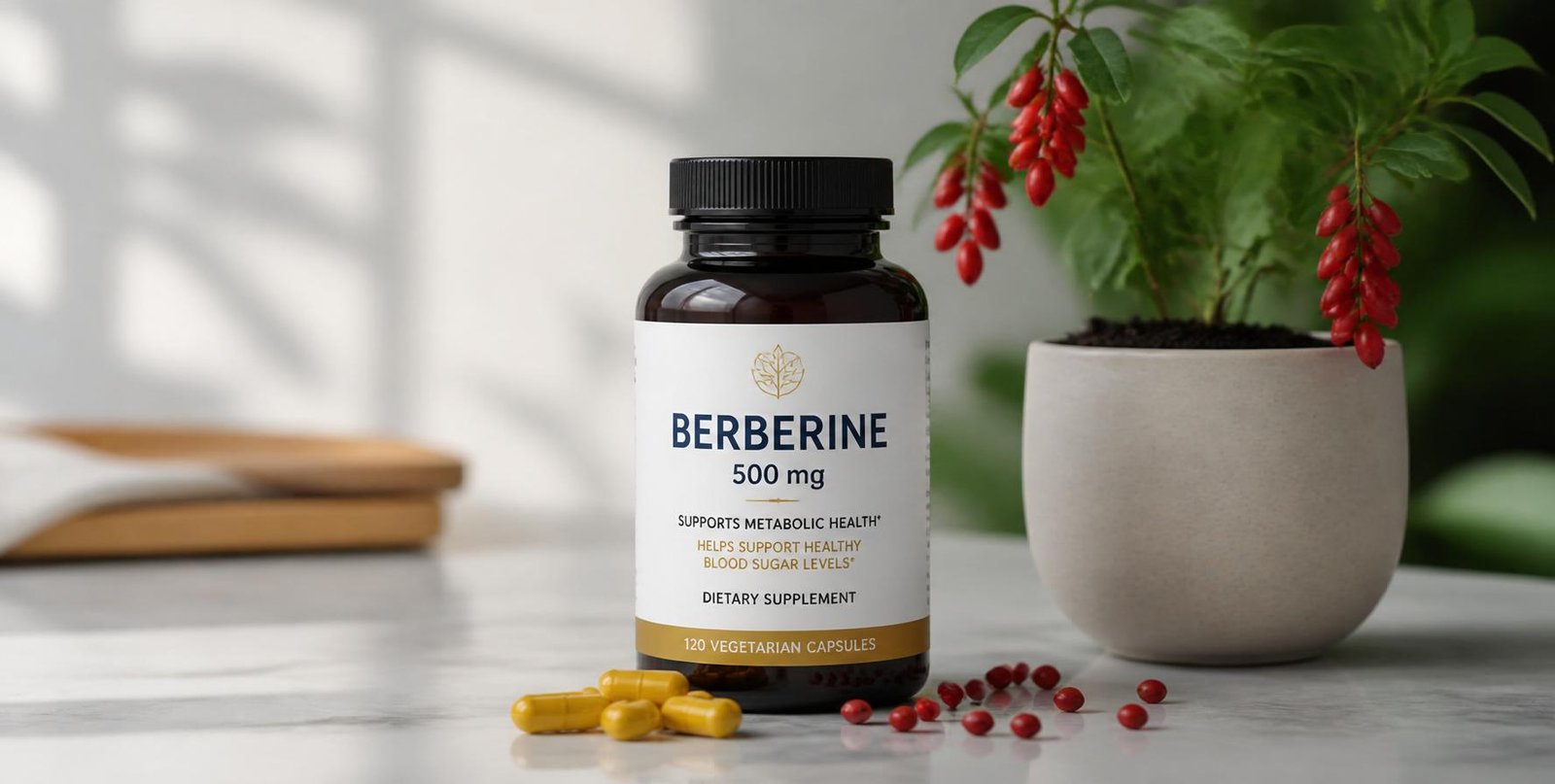
A plant-based substance, berberine, is gaining attention for its role in fighting diabetes. It helps control blood sugar levels, offering hope for those looking for natural treatments. It has shown great promise in medicine.
Berberine is an alkaloid – a naturally occurring compound – found in the roots, bark, and stems of various plants, including goldenseal, barberry, and Oregon grape. Traditional medicine has used these plants for centuries, but modern science is now revealing why they work so well for blood sugar management.
What’s remarkable is that berberine’s effects on blood glucose control rival some prescription diabetes medications – without the side effects many people experience.
How Berberine Works to Lower Blood Sugar
Berberine works through multiple pathways to improve glucose metabolism and insulin sensitivity:
Mechanism 1: Activates AMPK (The Metabolic Master Switch)
Berberine activates an enzyme called AMPK (AMP-activated protein kinase). Think of AMPK as your cell’s metabolic thermostat – when activated, it:
- Increases glucose uptake by cells
- Improves mitochondrial function (your cells’ energy factories)
- Enhances fat burning
- Reduces insulin resistance
This is why berberine affects not just blood sugar, but also cholesterol and weight – it’s addressing the root metabolic dysfunction.
Mechanism 2: Improves Insulin Secretion and Sensitivity
Berberine helps your pancreas produce insulin more effectively and helps your cells respond better to that insulin. It’s a two-pronged approach:
- Increases insulin output: Your pancreas releases more insulin when needed
- Increases insulin sensitivity: Your cells become more responsive to insulin’s signal
Together, these effects mean your body needs less insulin to achieve the same glucose control.
Mechanism 3: Slows Carbohydrate Digestion
Berberine affects the enzymes in your gut that break down carbohydrates. By slowing this process, glucose enters your bloodstream more gradually, preventing sharp blood sugar spikes after meals.
Mechanism 4: Improves Gut Microbiome
Emerging research shows berberine may alter your gut bacteria composition in ways that favor better glucose metabolism. Your microbiome influences how your body handles glucose, and berberine appears to shift it toward a healthier balance.
Clinical Evidence: The Research Is Impressive
Head-to-Head Comparison With Metformin
Here’s what surprises most people: Berberine’s effects on blood glucose are comparable to metformin, the first-line diabetes medication.
Studies show berberine can:
- Lower fasting blood sugar by up to 20% (compared to 15–20% for metformin)
- Reduce A1C by up to 12% (compared to 10–20% for metformin)
- Improve cholesterol and triglycerides (better than metformin alone)
- Support weight loss (metformin often causes weight neutral effects)
Major Clinical Trials
2015 Meta-Analysis (Journal of Diabetes):
- Reviewed 27 randomized controlled trials
- Found berberine significantly reduced fasting blood glucose and A1C
- Effects were most pronounced when combined with diet and lifestyle changes
2012 Study (Metabolism):
- 116 patients with metabolic syndrome
- Berberine improved insulin sensitivity, reduced cholesterol, and supported weight loss
- Effects comparable to pharmaceutical interventions
2015 Study (Diabetes Care):
- Compared berberine directly to metformin
- Both reduced blood glucose, but berberine also improved lipid profiles better
- Fewer gastrointestinal side effects with berberine
Important Limitation
While these results are impressive, most studies run 8–12 weeks. Long-term data (1+ years) is still limited, though the available evidence is promising.
Berberine Dosage and How to Take It
Effective Dosage
Research showing blood sugar benefits used 500 mg of berberine, taken 2–3 times daily with meals (total: 1,000–1,500 mg per day).
Why With Meals?
Taking berberine with food:
- Enhances absorption
- Reduces gastrointestinal side effects
- Works synergistically with your meal (slowing carbohydrate digestion)
Expected Timeline
- Week 1–2: Digestive adjustment (mild)
- Week 2–4: Initial improvements in energy and post-meal stability
- Week 6–8: Lab improvements (fasting glucose, A1C trending downward)
- Week 12: Full effects typically visible
Long-Term Safety
Berberine is safe for long-term use, though periodic check-ins with your doctor are wise. No maximum duration has been established in research, but some people take it for years without issues.
Side Effects and Drug Interactions
Common Side Effects
Berberine is generally well-tolerated, but some people experience:
- Gastrointestinal effects: Constipation, diarrhea, or nausea (usually mild and temporary)
- Allergic reactions: Rare, but possible
How to minimize GI side effects:
- Start with 250 mg once daily for 3–5 days
- Increase slowly to 500 mg twice daily
- Always take with meals
- Drink plenty of water
- Consider a digestive enzyme supplement if needed
Important Drug Interactions
Berberine may interact with:
Diabetes medications (metformin, sulfonylureas, insulin)
- Additive blood sugar-lowering effect
- Risk: Hypoglycemia (low blood sugar)
- Solution: Work with your doctor to monitor glucose and adjust medications if needed
Blood pressure medications (especially beta-blockers, ACE inhibitors)
- Berberine may lower blood pressure
- Additive effect possible
- Solution: Monitor blood pressure regularly; inform your doctor
Immunosuppressants (after organ transplant)
- Berberine may interfere with immune suppression
- Risk: Organ rejection
- Solution: Avoid berberine if you’re taking immunosuppressants
Other medications:
- Cyclosporine
- Certain antibiotic classes
- Some antiretroviral drugs
Always inform your doctor before starting berberine, especially if you’re on any medications.
Who Should Use Berberine and Who Should Avoid It
Ideal Candidates for Berberine
✓ Type 2 diabetes or prediabetes
✓ Insulin resistance (PCOS, metabolic syndrome)
✓ High cholesterol or triglycerides
✓ Wanting to reduce medication dependence (under medical supervision)
✓ Have had poor tolerance to metformin
Who Should Avoid Berberine
✗ Pregnancy (can trigger uterine contractions)
✗ Breastfeeding (berberine passes into breast milk)
✗ Type 1 diabetes (consult doctor first)
✗ Taking immunosuppressants (organ transplant)
✗ Severe kidney disease
✗ Severe diarrhea or IBS (may worsen symptoms)
Berberine vs. Other Blood Sugar Supplements
How does berberine compare to other popular diabetes supplements?
| Supplement | Strength | Weakness | Best For |
|---|---|---|---|
| Berberine | Powerful, comparable to metformin | GI side effects possible | Overall metabolic improvement |
| Cinnamon | Gentle, minimal side effects | Modest effects | Gentle blood sugar support |
| Magnesium | Supports insulin sensitivity | Mild effects | Nutrient deficiency correction |
| Alpha-Lipoic Acid | Good for nerve damage | Moderate blood sugar effect | Diabetic neuropathy |
| Chromium | Helps insulin function | Variable effectiveness | Insulin resistance |
Can you combine them? Yes. Many people take berberine + magnesium + cinnamon for synergistic effects. Your doctor can help determine the best combination.
Real-World Results: What to Expect
Common Success Stories
Case 1: Susan, Age 56 (Prediabetes)
- Started berberine (1,000 mg/day) + diet improvements
- 12 weeks: Fasting glucose dropped from 118 to 98 mg/dL
- A1C reduced from 5.8% to 5.4%
- Result: Reversed to normal glucose tolerance
Case 2: James, Age 48 (Type 2 Diabetes)
- On metformin 1,500 mg/day
- Added berberine (1,000 mg/day) with doctor approval
- 8 weeks: A1C dropped from 7.2% to 6.8%
- Doctor reduced metformin dose by 500 mg
- Result: Better control with lower medication dose
Case 3: Maria, Age 62 (Metabolic Syndrome)
- Triglycerides: 280 mg/dL (high)
- LDL: 150 mg/dL (high)
- After 12 weeks berberine: Triglycerides 180, LDL 120
- Bonus: Lost 8 pounds
Important Reality Check
Not everyone sees dramatic results. About 70% of people see significant improvements in blood sugar control, while 30% see modest or minimal effects. This is normal – individual response varies based on genetics, diet adherence, and baseline metabolic health.
Combining Berberine With Diet and Lifestyle
Berberine is most effective when combined with:
Diet Changes:
- Reduce simple carbohydrates and refined sugars
- Increase fiber (vegetables, legumes, whole grains)
- Include lean protein and healthy fats
- Consider intermittent fasting (with doctor approval)
Exercise:
- 30 minutes moderate activity, 5 days/week
- Include resistance training (builds muscle, improves insulin sensitivity)
- Even light activity helps
Stress Management:
- Chronic stress raises cortisol, which worsens blood sugar
- Meditation, yoga, or deep breathing daily
Sleep:
- 7–9 hours per night
- Poor sleep significantly worsens insulin resistance
Berberine alone won’t fix a poor diet. It’s a tool, not a magic bullet. The people who see the best results combine it with lifestyle improvements.
FAQ
Is berberine safe to take long-term?
Yes, berberine appears safe for long-term use based on available evidence. However, long-term studies (10+ years) don’t exist yet. Periodic monitoring with your doctor is recommended.
Can berberine replace my diabetes medication?
Never stop your medication on your own. Work with your doctor. Some people can reduce medication doses with berberine, but this requires medical supervision and blood glucose monitoring.
How long until I see results?
Initial energy improvements: 2–3 weeks. Lab improvements (glucose, A1C): 6–12 weeks. Give it at least 8 weeks before assessing effectiveness.
Is berberine safe with metformin?
Generally yes, but since both lower blood sugar, your doctor needs to monitor you for hypoglycemia. Medication doses may need adjustment.
Can I take berberine if I’m pregnant?
No. Berberine may stimulate uterine contractions and is not safe during pregnancy. Avoid if breastfeeding.
What’s the best brand to buy?
Look for:
- Third-party tested (NSF, USP)
- 500 mg per capsule (easier dosing)
- 90–95% berberine content
- Reputable manufacturer
Quality varies significantly – cheap berberine may have lower bioavailability.
Should I take berberine on an empty stomach?
No. Always take with meals. This improves absorption and reduces GI side effects.
Disclaimer
This article is for informational purposes only and does not constitute medical advice. Always consult your healthcare provider before starting berberine, especially if you’re on diabetes medications, blood pressure medications, or have kidney disease. Do not stop taking prescription medications without medical supervision.
Related Articles
- Cinnamon for Blood Sugar Control
- Magnesium for Insulin Sensitivity
- Lower Blood Sugar Naturally: The Complete Guide
Post Disclaimer
This article is for informational purposes only and does not constitute medical advice. Always consult your healthcare provider before making changes to your health routine.