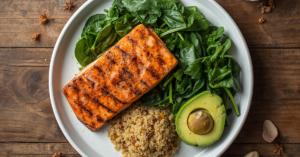
Control blood sugar after eating

How to Control Blood Sugar After Eating: 7 Proven Ways to Prevent After-Meal Spikes

What is After-Meal (Postprandial) Plasma Glucose (PPPG)?

It is important to control blood sugar after eating to reduce after-meal spikes. This sugar – glucose – is the main source of energy for the body. The level of sugar in the blood after a meal is called postprandial plasma glucose (PPPG). “Postprandial” means “after eating,” and “plasma glucose” is the sugar in your blood. After meal spikes can damage blood vessels, which then leads to organ damage. 

Why is PPPG Important?

When we eat, our bodies break down carbohydrates into glucose, which enters the bloodstream. The pancreas releases insulin to help cells absorb glucose for energy. However, in people with diabetes or insulin resistance, this process doesn’t work efficiently, leading to high blood sugar levels (hyperglycemia).

Checking your post-meal blood sugar levels helps doctors and people with diabetes understand how well their body handles sugar. Usually, your blood sugar goes up after eating, but it should come back down within two hours if your body works properly. If it stays high, it might be a sign of diabetes or prediabetes. High levels for a long time can damage your heart, eyes, kidneys, and nerves. Eating balanced meals, being active, and taking medicine (if needed) can help keep your blood sugar under control


Healthy PPPG Levels

According to the American Diabetes Association (ADA): Two hours after eating our blood sugar levels should be

      • Normal: Less than 140 mg/dL (7.8 mmol/L)

      • Prediabetes: 140–199 mg/dL (7.8–11.0 mmol/L)

      • Diabetes: 200 mg/dL (11.1 mmol/L) or higher

    Consistently high postprandial glucose levels can damage the heart, kidneys, eyes, and nerves over time, increasing the risk of complications like heart disease, nephropathy (kidney disease) and neuropathy (nerve disease).,


    Factors Affecting PPPG Levels

    1. Type of Carbohydrates Consumed

    Not all carbs are equal! This is why we need to chose our foods carefully. Refined carbs and sugary foods (white bread, rice, sodas) for instance, cause rapid spikes in blood sugar, while fiber-rich foods (vegetables, whole grains) lead to a gradual rise.

    2. Glycemic Load vs. Glycemic Index

    The glycemic index (GI) ranks foods based on how they affect blood sugar, but glycemic load (GL) considers both the type and amount of carbs consumed. A food with a low GI but high GL can still raise blood sugar significantly.

        • Low GI foods (below 55): Lentils, chickpeas, leafy greens

        • Medium GI foods (56–69): Brown rice, sweet potatoes

        • High GI foods (above 70): White rice, white bread, sugar

      3. Insulin Resistance

      When cells become less responsive to insulin, glucose stays in the bloodstream longer, leading to higher PPPG levels. This is common in Type 2 diabetes and prediabetes.

      4. Physical Activity

      Exercise helps lower blood sugar levels. This is one sure way to control blood sugar level after eating. Go for a brisk walk. The muscles of the buttocks, the calf muscles and thighs function like glucose absorbing sponges. The calf muscles are really best at this and are sometimes called ‘metabolic powerhouses’ because they use glucose so efficiently.  By increasing glucose uptake, muscles rapidly lower blood sugar levels, and the bigger the muscle the better it is at this job. On the other hand, a lack of activity, such as eating a large meal and then drifting off to sleep can contribute to higher post-meal blood sugar spikes.

      5. Meal Timing and Portion Size

      Eating large portions or meals with high carbohydrate content can lead to excess glucose in the blood, overwhelming the body’s insulin response.

      6. Medications and Insulin Therapy

      Certain diabetes medications and insulin therapy help control blood sugar, but improper dosage or timing can result in post-meal glucose spikes.


      How to Manage PPPG Levels Effectively

      1. Choose the Right Carbohydrates

          • Prefer complex carbs like whole grains, legumes, and vegetables over simple sugars.

          • Use the Glycemic Index (GI): Low-GI foods (e.g., oats, lentils) release glucose slowly, preventing sharp spikes.

          • Increase fiber intake to slow digestion and glucose absorption.

        2. Control Meal Portions

            • Eating smaller, more frequent meals prevents excessive glucose release.

            • Plate method: Fill half your plate with non-starchy vegetables, one-quarter with protein, and one-quarter with whole grains or healthy carbs.

          3. Exercise Regularly

              • Tip: If you have diabetes, monitor your blood sugar before and after exercise.

            4. Stay Hydrated

                • Drinking water helps flush excess glucose through urine.

                • Avoid sugary drinks (soda, fruit juice) that spike PPPG.

              5. Incorporate Healthy Fats and Proteins

                  • Proteins (chicken, fish, tofu) slow down glucose absorption.

                  • Healthy fats (avocados, nuts, olive oil) prevent insulin spikes.

                  • Tip: Pairing carbs with protein or fat reduces post-meal sugar spikes.

                6. Practice Mindful Eating

                    • Eat slowly to prevent overeating and give insulin time to work.

                    • Avoid distractions (TV, phone) while eating.

                  7. Monitor Blood Sugar Levels

                      • Check PPPG regularly to track how different foods affect you.

                      • Keep a food and glucose diary to identify patterns and triggers.

                    8. Manage Stress Levels

                        • Chronic stress raises blood sugar through increased cortisol levels.

                        • Practice yoga, meditation, deep breathing, or hobbies to reduce stress.

                      9. Ensure Adequate Sleep

                          • Poor sleep disrupts insulin function and increases cravings for high-carb foods.

                          • Aim for 7–9 hours of quality sleep per night.

                        10. Work with a Healthcare Provider

                            • Consult a doctor or dietitian to create a personalized plan.


                          Medications and Supplements That Help Control PPPG

                          Medications

                              • Metformin: Improves insulin sensitivity

                              • GLP-1 receptor agonists: Help slow digestion and glucose release

                              • SGLT2 inhibitors: Reduce glucose absorption in the kidneys

                            Natural Supplements


                                • Berberine: A natural compound that may lower blood sugar

                                • Cinnamon: May improve insulin function

                                • Apple cider vinegar: Helps reduce post-meal glucose spikes


                              FAQs About PPPG

                              1. How often should I check my PPPG?

                              If you have diabetes, check your levels daily or as advised by your doctor. If at risk, monitor periodically.

                              2. Can fasting help lower PPPG?

                              Yes! Intermittent fasting can improve insulin sensitivity and stabilize blood sugar levels.

                              3. Does alcohol affect PPPG?

                              Yes. Sugary alcoholic drinks can cause spikes, while excess alcohol can lead to dangerous drops.

                              4. Can stress really impact PPPG?

                              Absolutely! Cortisol, the stress hormone, can raise blood sugar levels.


                              Final Thoughts

                              Managing Postprandial Plasma Glucose (PPPG) is essential for diabetes control and overall health. By choosing the right foods, exercising regularly, staying hydrated, managing stress, and monitoring blood sugar levels, you can keep post-meal glucose spikes under control.

                              If you experience frequent high PPPG readings, consult your doctor or dietitian for personalized guidance. Small lifestyle changes can make a huge impact on your long-term health! 

                              What is After-Meal (Postprandial) Plasma Glucose (PPPG)?

                              It is important to control blood sugar after eating to reduce after-meal spikes. This sugar – glucose – is the main source of energy for the body. The level of sugar in the blood after a meal is called postprandial plasma glucose (PPPG). “Postprandial” means “after eating,” and “plasma glucose” is the sugar in your blood. After meal spikes can damage blood vessels, which then leads to organ damage. 

                              Why is PPPG Important?

                              When we eat, our bodies break down carbohydrates into glucose, which enters the bloodstream. The pancreas releases insulin to help cells absorb glucose for energy. However, in people with diabetes or insulin resistance, this process doesn’t work efficiently, leading to high blood sugar levels (hyperglycemia).

                              Checking your post-meal blood sugar levels helps doctors and people with diabetes understand how well their body handles sugar. Usually, your blood sugar goes up after eating, but it should come back down within two hours if your body works properly. If it stays high, it might be a sign of diabetes or prediabetes.

                              Keeping your post-meal blood sugar in a healthy range is important. High levels for a long time can damage your heart, eyes, kidneys, and nerves. Eating balanced meals, being active, and taking medicine (if needed) can help keep your blood sugar under control

                              https://youtu.be/0O9LNw4r08E

                              Healthy PPPG Levels

                              According to the American Diabetes Association (ADA): Two hours after eating our blood sugar levels should be


                                  • Normal: Less than 140 mg/dL (7.8 mmol/L)

                                  • Prediabetes: 140–199 mg/dL (7.8–11.0 mmol/L)

                                  • Diabetes: 200 mg/dL (11.1 mmol/L) or higher

                                Consistently high postprandial glucose levels can damage the heart, kidneys, eyes, and nerves over time, increasing the risk of complications like heart disease, nephropathy (kidney disease) and neuropathy (nerve disease).,


                                Factors Affecting PPPG Levels

                                1. Type of Carbohydrates Consumed

                                Not all carbs are equal! Refined carbs and sugary foods (white bread, rice, sodas) cause rapid spikes in blood sugar, while fiber-rich foods (vegetables, whole grains) lead to a gradual rise.

                                2. Glycemic Load vs. Glycemic Index

                                The glycemic index (GI) ranks foods based on how they affect blood sugar, but glycemic load (GL) considers both the type and amount of carbs consumed. A food with a low GI but high GL can still raise blood sugar significantly.


                                    • Low GI foods (below 55): Lentils, chickpeas, leafy greens

                                    • Medium GI foods (56–69): Brown rice, sweet potatoes

                                    • High GI foods (above 70): White rice, white bread, sugar

                                  3. Insulin Resistance

                                  When cells become less responsive to insulin, glucose stays in the bloodstream longer, leading to higher PPPG levels. This is common in Type 2 diabetes and prediabetes.

                                  4. Physical Activity

                                  Exercise helps lower blood sugar by increasing glucose uptake by muscles. A lack of activity can contribute to higher post-meal blood sugar spikes.

                                  5. Meal Timing and Portion Size

                                  Eating large portions or meals with high carbohydrate content can lead to excess glucose in the blood, overwhelming the body’s insulin response.

                                  6. Medications and Insulin Therapy

                                  Certain diabetes medications and insulin therapy help control blood sugar, but improper dosage or timing can result in post-meal glucose spikes.


                                  How to Manage PPPG Levels Effectively

                                  1. Choose the Right Carbohydrates


                                      • Prefer complex carbs like whole grains, legumes, and vegetables over simple sugars.

                                      • Use the Glycemic Index (GI): Low-GI foods (e.g., oats, lentils) release glucose slowly, preventing sharp spikes.

                                      • Increase fiber intake to slow digestion and glucose absorption.

                                    2. Control Meal Portions


                                        • Eating smaller, more frequent meals prevents excessive glucose release.

                                        • Plate method: Fill half your plate with non-starchy vegetables, one-quarter with protein, and one-quarter with whole grains or healthy carbs.

                                      3. Exercise Regularly


                                          • Tip: If you have diabetes, monitor your blood sugar before and after exercise.

                                        4. Stay Hydrated


                                            • Drinking water helps flush excess glucose through urine.

                                            • Avoid sugary drinks (soda, fruit juice) that spike PPPG.

                                          5. Incorporate Healthy Fats and Proteins


                                              • Proteins (chicken, fish, tofu) slow down glucose absorption.

                                              • Healthy fats (avocados, nuts, olive oil) prevent insulin spikes.

                                              • Tip: Pairing carbs with protein or fat reduces post-meal sugar spikes.

                                            6. Practice Mindful Eating


                                                • Eat slowly to prevent overeating and give insulin time to work.

                                                • Avoid distractions (TV, phone) while eating.

                                              7. Monitor Blood Sugar Levels


                                                  • Check PPPG regularly to track how different foods affect you.

                                                  • Keep a food and glucose diary to identify patterns and triggers.

                                                8. Manage Stress Levels


                                                    • Chronic stress raises blood sugar through increased cortisol levels.

                                                    • Practice yoga, meditation, deep breathing, or hobbies to reduce stress.

                                                  9. Ensure Adequate Sleep


                                                      • Poor sleep disrupts insulin function and increases cravings for high-carb foods.

                                                      • Aim for 7–9 hours of quality sleep per night.

                                                    10. Work with a Healthcare Provider


                                                        • Consult a doctor or dietitian to create a personalized plan.


                                                      Medications and Supplements That Help Control PPPG

                                                      Medications


                                                          • Metformin: Improves insulin sensitivity

                                                          • GLP-1 receptor agonists: Help slow digestion and glucose release

                                                          • SGLT2 inhibitors: Reduce glucose absorption in the kidneys

                                                        Natural Supplements

                                                          “If you’re looking for a natural supplement to support healthy blood sugar levels, check out Gluco6 here.

                                                            • Berberine: A natural compound that may lower blood sugar

                                                            • Cinnamon: May improve insulin function

                                                            • Apple cider vinegar: Helps reduce post-meal glucose spikes


                                                          FAQs About PPPG

                                                          1. How often should I check my PPPG?

                                                          If you have diabetes, check your levels daily or as advised by your doctor. If at risk, monitor periodically.

                                                          2. Can fasting help lower PPPG?

                                                          Yes! Intermittent fasting can improve insulin sensitivity and stabilize blood sugar levels.

                                                          3. Does alcohol affect PPPG?

                                                          Yes. Sugary alcoholic drinks can cause spikes, while excess alcohol can lead to dangerous drops.

                                                          4. Can stress really impact PPPG?

                                                          Absolutely! Cortisol, the stress hormone, can raise blood sugar levels.


                                                          Final Thoughts

                                                          Managing Postprandial Plasma Glucose (PPPG) is essential for diabetes control and overall health. By choosing the right foods, exercising regularly, staying hydrated, managing stress, and monitoring blood sugar levels, you can keep post-meal glucose spikes under control.

                                                          If you experience frequent high PPPG readings, consult your doctor or dietitian for personalized guidance. Small lifestyle changes can make a huge impact on your long-term health! 😊

                                                          What is After-Meal (Postprandial) Plasma Glucose (PPPG)?

                                                          It is important to control blood sugar after eating to reduce after-meal spikes. This sugar – glucose – is the main source of energy for the body. The level of sugar in the blood after a meal is called postprandial plasma glucose (PPPG). “Postprandial” means “after eating,” and “plasma glucose” is the sugar in your blood. After meal spikes can damage blood vessels, which then leads to organ damage. 

                                                          Why is PPPG Important?

                                                          When we eat, our bodies break down carbohydrates into glucose, which enters the bloodstream. The pancreas releases insulin to help cells absorb glucose for energy. However, in people with diabetes or insulin resistance, this process doesn’t work efficiently, leading to high blood sugar levels (hyperglycemia).

                                                          Checking your post-meal blood sugar levels helps doctors and people with diabetes understand how well their body handles sugar. Usually, your blood sugar goes up after eating, but it should come back down within two hours if your body works properly. If it stays high, it might be a sign of diabetes or prediabetes.

                                                          Keeping your post-meal blood sugar in a healthy range is important. High levels for a long time can damage your heart, eyes, kidneys, and nerves. Eating balanced meals, being active, and taking medicine (if needed) can help keep your blood sugar under control

                                                          https://youtu.be/0O9LNw4r08E

                                                          Healthy PPPG Levels

                                                          According to the American Diabetes Association (ADA): Two hours after eating our blood sugar levels should be


                                                              • Normal: Less than 140 mg/dL (7.8 mmol/L)

                                                              • Prediabetes: 140–199 mg/dL (7.8–11.0 mmol/L)

                                                              • Diabetes: 200 mg/dL (11.1 mmol/L) or higher

                                                            Consistently high postprandial glucose levels can damage the heart, kidneys, eyes, and nerves over time, increasing the risk of complications like heart disease, nephropathy (kidney disease) and neuropathy (nerve disease).,


                                                            Factors Affecting PPPG Levels

                                                            1. Type of Carbohydrates Consumed

                                                            Not all carbs are equal! Refined carbs and sugary foods (white bread, rice, sodas) cause rapid spikes in blood sugar, while fiber-rich foods (vegetables, whole grains) lead to a gradual rise.

                                                            2. Glycemic Load vs. Glycemic Index

                                                            The glycemic index (GI) ranks foods based on how they affect blood sugar, but glycemic load (GL) considers both the type and amount of carbs consumed. A food with a low GI but high GL can still raise blood sugar significantly.


                                                                • Low GI foods (below 55): Lentils, chickpeas, leafy greens

                                                                • Medium GI foods (56–69): Brown rice, sweet potatoes

                                                                • High GI foods (above 70): White rice, white bread, sugar

                                                              3. Insulin Resistance

                                                              When cells become less responsive to insulin, glucose stays in the bloodstream longer, leading to higher PPPG levels. This is common in Type 2 diabetes and prediabetes.

                                                              4. Physical Activity

                                                              Exercise helps lower blood sugar by increasing glucose uptake by muscles. A lack of activity can contribute to higher post-meal blood sugar spikes.

                                                              5. Meal Timing and Portion Size

                                                              Eating large portions or meals with high carbohydrate content can lead to excess glucose in the blood, overwhelming the body’s insulin response.

                                                              6. Medications and Insulin Therapy

                                                              Certain diabetes medications and insulin therapy help control blood sugar, but improper dosage or timing can result in post-meal glucose spikes.


                                                              How to Manage PPPG Levels Effectively

                                                              1. Choose the Right Carbohydrates


                                                                  • Prefer complex carbs like whole grains, legumes, and vegetables over simple sugars.

                                                                  • Use the Glycemic Index (GI): Low-GI foods (e.g., oats, lentils) release glucose slowly, preventing sharp spikes.

                                                                  • Increase fiber intake to slow digestion and glucose absorption.

                                                                2. Control Meal Portions


                                                                    • Eating smaller, more frequent meals prevents excessive glucose release.

                                                                    • Plate method: Fill half your plate with non-starchy vegetables, one-quarter with protein, and one-quarter with whole grains or healthy carbs.

                                                                  3. Exercise Regularly


                                                                      • Tip: If you have diabetes, monitor your blood sugar before and after exercise.

                                                                    4. Stay Hydrated


                                                                        • Drinking water helps flush excess glucose through urine.

                                                                        • Avoid sugary drinks (soda, fruit juice) that spike PPPG.

                                                                      5. Incorporate Healthy Fats and Proteins


                                                                          • Proteins (chicken, fish, tofu) slow down glucose absorption.

                                                                          • Healthy fats (avocados, nuts, olive oil) prevent insulin spikes.

                                                                          • Tip: Pairing carbs with protein or fat reduces post-meal sugar spikes.

                                                                        6. Practice Mindful Eating


                                                                            • Eat slowly to prevent overeating and give insulin time to work.

                                                                            • Avoid distractions (TV, phone) while eating.

                                                                          7. Monitor Blood Sugar Levels


                                                                              • Check PPPG regularly to track how different foods affect you.

                                                                              • Keep a food and glucose diary to identify patterns and triggers.

                                                                            8. Manage Stress Levels


                                                                                • Chronic stress raises blood sugar through increased cortisol levels.

                                                                                • Practice yoga, meditation, deep breathing, or hobbies to reduce stress.

                                                                              9. Ensure Adequate Sleep


                                                                                  • Poor sleep disrupts insulin function and increases cravings for high-carb foods.

                                                                                  • Aim for 7–9 hours of quality sleep per night.

                                                                                10. Work with a Healthcare Provider


                                                                                    • Consult a doctor or dietitian to create a personalized plan.


                                                                                  Medications and Supplements That Help Control PPPG

                                                                                  Medications


                                                                                      • Metformin: Improves insulin sensitivity

                                                                                      • GLP-1 receptor agonists: Help slow digestion and glucose release

                                                                                      • SGLT2 inhibitors: Reduce glucose absorption in the kidneys

                                                                                    Natural Supplements


                                                                                        • Berberine: A natural compound that may lower blood sugar

                                                                                        • Cinnamon: May improve insulin function

                                                                                        • Apple cider vinegar: Helps reduce post-meal glucose spikes


                                                                                      FAQs About PPPG

                                                                                      1. How often should I check my PPPG?

                                                                                      If you have diabetes, check your levels daily or as advised by your doctor. If at risk, monitor periodically.

                                                                                      2. Can fasting help lower PPPG?

                                                                                      Yes! Intermittent fasting can improve insulin sensitivity and stabilize blood sugar levels.

                                                                                      3. Does alcohol affect PPPG?

                                                                                      Yes. Sugary alcoholic drinks can cause spikes, while excess alcohol can lead to dangerous drops.

                                                                                      4. Can stress really impact PPPG?

                                                                                      Absolutely! Cortisol, the stress hormone, can raise blood sugar levels.


                                                                                      Final Thoughts

                                                                                      Managing Postprandial Plasma Glucose (PPPG) is essential for diabetes control and overall health. By choosing the right foods, exercising regularly, staying hydrated, managing stress, and monitoring blood sugar levels, you can keep post-meal glucose spikes under control.

                                                                                      If you experience frequent high PPPG readings, consult your doctor or dietitian for personalized guidance. Small lifestyle changes can make a huge impact on your long-term health! 😊

                                                                                      What is After-Meal (Postprandial) Plasma Glucose (PPPG)?

                                                                                      It is important to control blood sugar after eating to reduce after-meal spikes. This sugar – glucose – is the main source of energy for the body. The level of sugar in the blood after a meal is called postprandial plasma glucose (PPPG). “Postprandial” means “after eating,” and “plasma glucose” is the sugar in your blood. After meal spikes can damage blood vessels, which then leads to organ damage. 

                                                                                      Why is PPPG Important?

                                                                                      When we eat, our bodies break down carbohydrates into glucose, which enters the bloodstream. The pancreas releases insulin to help cells absorb glucose for energy. However, in people with diabetes or insulin resistance, this process doesn’t work efficiently, leading to high blood sugar levels (hyperglycemia).

                                                                                      Checking your post-meal blood sugar levels helps doctors and people with diabetes understand how well their body handles sugar. Usually, your blood sugar goes up after eating, but it should come back down within two hours if your body works properly. If it stays high, it might be a sign of diabetes or prediabetes.

                                                                                      Keeping your post-meal blood sugar in a healthy range is important. High levels for a long time can damage your heart, eyes, kidneys, and nerves. Eating balanced meals, being active, and taking medicine (if needed) can help keep your blood sugar under control

                                                                                      https://youtu.be/0O9LNw4r08E

                                                                                      Healthy PPPG Levels

                                                                                      According to the American Diabetes Association (ADA): Two hours after eating our blood sugar levels should be


                                                                                          • Normal: Less than 140 mg/dL (7.8 mmol/L)

                                                                                          • Prediabetes: 140–199 mg/dL (7.8–11.0 mmol/L)

                                                                                          • Diabetes: 200 mg/dL (11.1 mmol/L) or higher

                                                                                        Consistently high postprandial glucose levels can damage the heart, kidneys, eyes, and nerves over time, increasing the risk of complications like heart disease, nephropathy (kidney disease) and neuropathy (nerve disease).,


                                                                                        Factors Affecting PPPG Levels

                                                                                        1. Type of Carbohydrates Consumed

                                                                                        Not all carbs are equal! Refined carbs and sugary foods (white bread, rice, sodas) cause rapid spikes in blood sugar, while fiber-rich foods (vegetables, whole grains) lead to a gradual rise.

                                                                                        2. Glycemic Load vs. Glycemic Index

                                                                                        The glycemic index (GI) ranks foods based on how they affect blood sugar, but glycemic load (GL) considers both the type and amount of carbs consumed. A food with a low GI but high GL can still raise blood sugar significantly.


                                                                                            • Low GI foods (below 55): Lentils, chickpeas, leafy greens

                                                                                            • Medium GI foods (56–69): Brown rice, sweet potatoes

                                                                                            • High GI foods (above 70): White rice, white bread, sugar

                                                                                          3. Insulin Resistance

                                                                                          When cells become less responsive to insulin, glucose stays in the bloodstream longer, leading to higher PPPG levels. This is common in Type 2 diabetes and prediabetes.

                                                                                          4. Physical Activity

                                                                                          Exercise helps lower blood sugar by increasing glucose uptake by muscles. A lack of activity can contribute to higher post-meal blood sugar spikes.

                                                                                          5. Meal Timing and Portion Size

                                                                                          Eating large portions or meals with high carbohydrate content can lead to excess glucose in the blood, overwhelming the body’s insulin response.

                                                                                          6. Medications and Insulin Therapy

                                                                                          Certain diabetes medications and insulin therapy help control blood sugar, but improper dosage or timing can result in post-meal glucose spikes.


                                                                                          How to Manage PPPG Levels Effectively

                                                                                          1. Choose the Right Carbohydrates


                                                                                              • Prefer complex carbs like whole grains, legumes, and vegetables over simple sugars.

                                                                                              • Use the Glycemic Index (GI): Low-GI foods (e.g., oats, lentils) release glucose slowly, preventing sharp spikes.

                                                                                              • Increase fiber intake to slow digestion and glucose absorption.

                                                                                            2. Control Meal Portions


                                                                                                • Eating smaller, more frequent meals prevents excessive glucose release.

                                                                                                • Plate method: Fill half your plate with non-starchy vegetables, one-quarter with protein, and one-quarter with whole grains or healthy carbs.

                                                                                              3. Exercise Regularly


                                                                                                  • Tip: If you have diabetes, monitor your blood sugar before and after exercise.

                                                                                                4. Stay Hydrated


                                                                                                    • Drinking water helps flush excess glucose through urine.

                                                                                                    • Avoid sugary drinks (soda, fruit juice) that spike PPPG.

                                                                                                  5. Incorporate Healthy Fats and Proteins


                                                                                                      • Proteins (chicken, fish, tofu) slow down glucose absorption.

                                                                                                      • Healthy fats (avocados, nuts, olive oil) prevent insulin spikes.

                                                                                                      • Tip: Pairing carbs with protein or fat reduces post-meal sugar spikes.

                                                                                                    6. Practice Mindful Eating


                                                                                                        • Eat slowly to prevent overeating and give insulin time to work.

                                                                                                        • Avoid distractions (TV, phone) while eating.

                                                                                                      7. Monitor Blood Sugar Levels


                                                                                                          • Check PPPG regularly to track how different foods affect you.

                                                                                                          • Keep a food and glucose diary to identify patterns and triggers.

                                                                                                        8. Manage Stress Levels


                                                                                                            • Chronic stress raises blood sugar through increased cortisol levels.

                                                                                                            • Practice yoga, meditation, deep breathing, or hobbies to reduce stress.

                                                                                                          9. Ensure Adequate Sleep


                                                                                                              • Poor sleep disrupts insulin function and increases cravings for high-carb foods.

                                                                                                              • Aim for 7–9 hours of quality sleep per night.

                                                                                                            10. Work with a Healthcare Provider


                                                                                                                • Consult a doctor or dietitian to create a personalized plan.


                                                                                                              Medications and Supplements That Help Control PPPG

                                                                                                              Medications


                                                                                                                  • Metformin: Improves insulin sensitivity

                                                                                                                  • GLP-1 receptor agonists: Help slow digestion and glucose release

                                                                                                                  • SGLT2 inhibitors: Reduce glucose absorption in the kidneys

                                                                                                                Natural Supplements


                                                                                                                    • Berberine: A natural compound that may lower blood sugar

                                                                                                                    • Cinnamon: May improve insulin function

                                                                                                                    • Apple cider vinegar: Helps reduce post-meal glucose spikes


                                                                                                                  FAQs About PPPG

                                                                                                                  1. How often should I check my PPPG?

                                                                                                                  If you have diabetes, check your levels daily or as advised by your doctor. If at risk, monitor periodically.

                                                                                                                  2. Can fasting help lower PPPG?

                                                                                                                  Yes! Intermittent fasting can improve insulin sensitivity and stabilize blood sugar levels.

                                                                                                                  3. Does alcohol affect PPPG?

                                                                                                                  Yes. Sugary alcoholic drinks can cause spikes, while excess alcohol can lead to dangerous drops.

                                                                                                                  4. Can stress really impact PPPG?

                                                                                                                  Absolutely! Cortisol, the stress hormone, can raise blood sugar levels.


                                                                                                                  Final Thoughts

                                                                                                                  Managing Postprandial Plasma Glucose (PPPG) is essential for diabetes control and overall health. By choosing the right foods, exercising regularly, staying hydrated, managing stress, and monitoring blood sugar levels, you can keep post-meal glucose spikes under control.

                                                                                                                  If you experience frequent high PPPG readings, consult your doctor or dietitian for personalized guidance. Small lifestyle changes can make a huge impact on your long-term health! 😊

                                                                                                                  Post Disclaimer

                                                                                                                  This article is for informational purposes only and does not constitute medical advice. Always consult your healthcare provider before making changes to your health routine.